The MT James Entomological Collection is the largest insect museum in the state of Washington. It serves as an important regional resource and is an actively growing collection with especially strong representation in Lepidoptera, Coleoptera, Diptera, and a newfound focus on Hymenoptera. Established in 1892, the collection’s holdings number in the millions and are of significant historical and scientific importance.

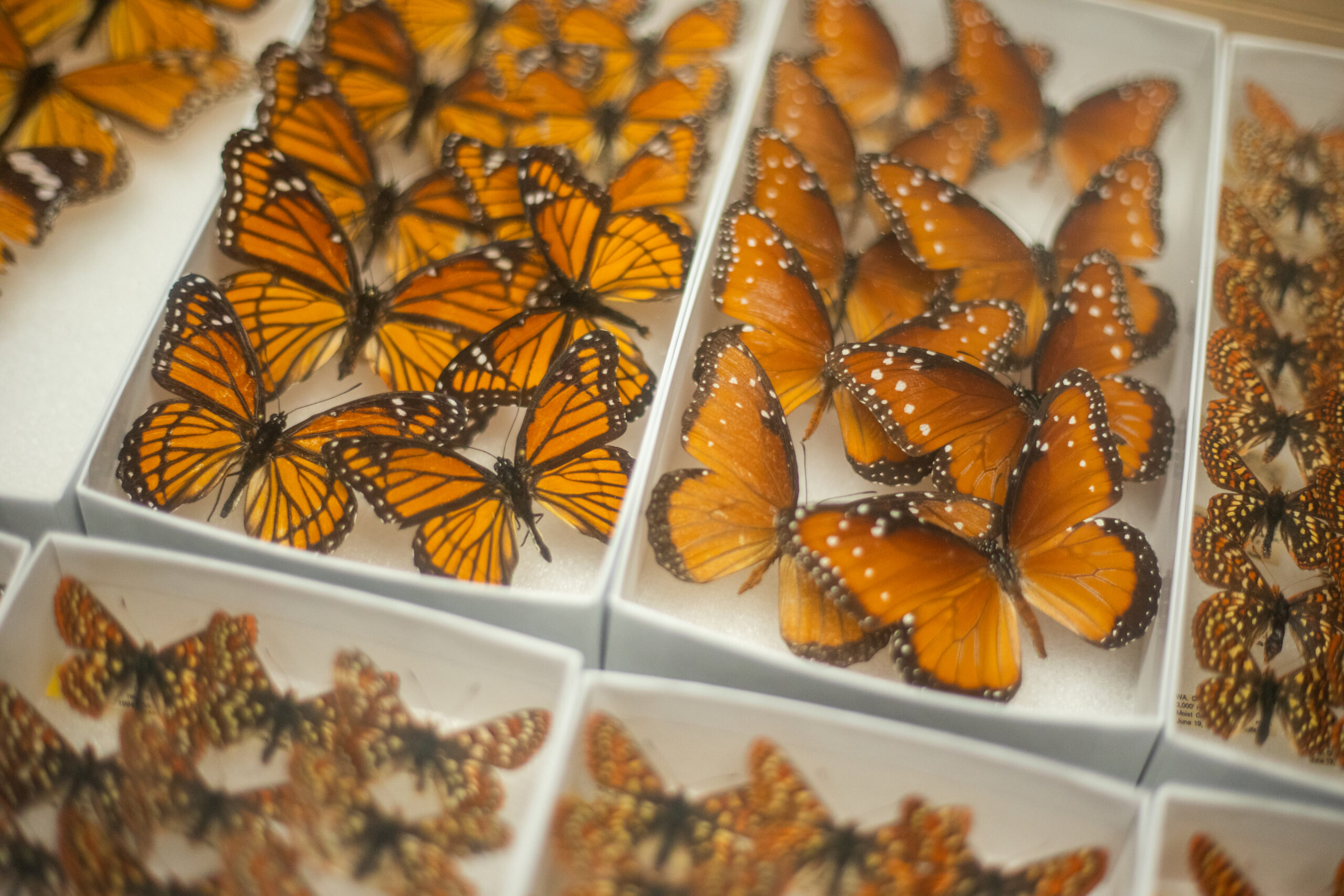
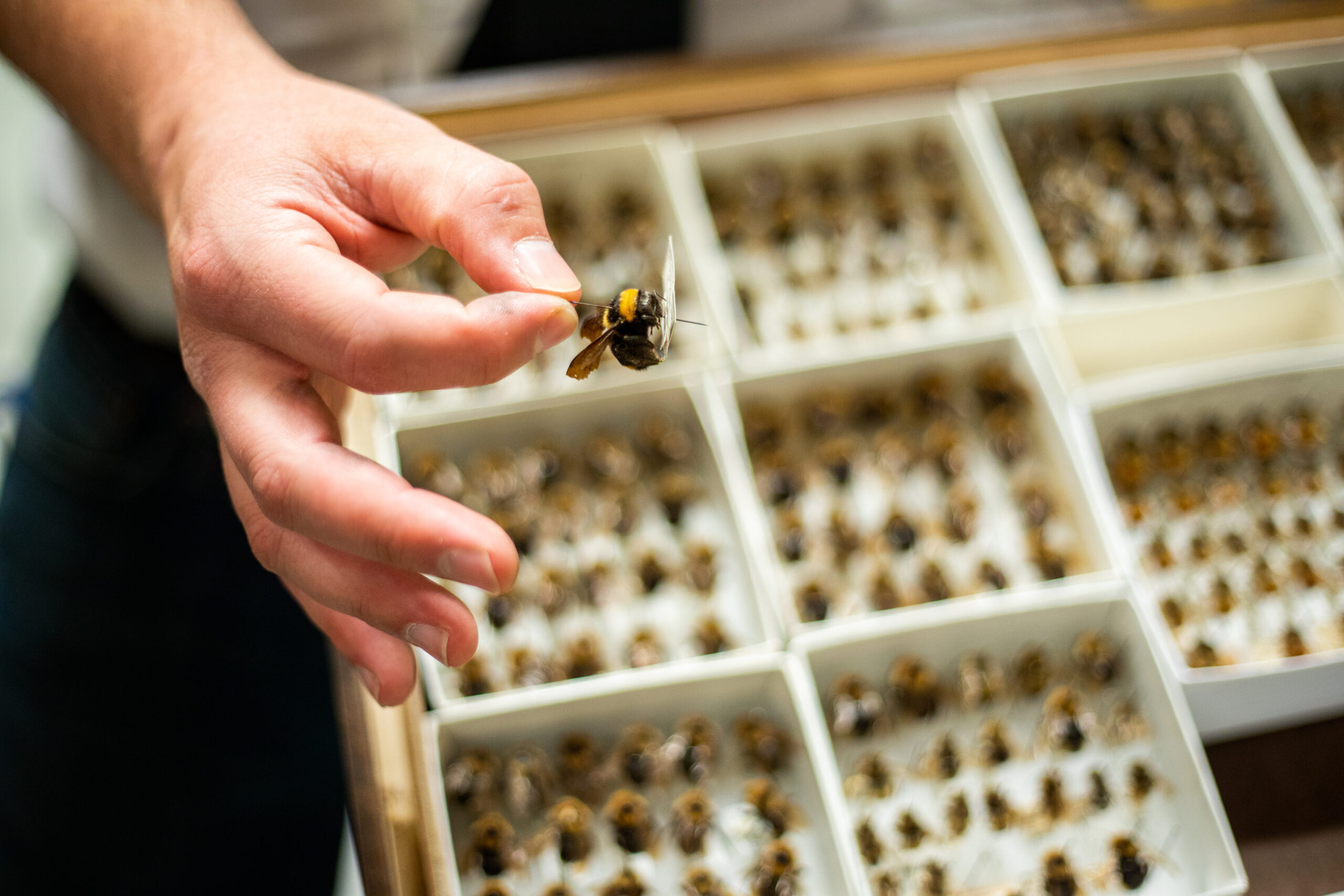
We have a new pollinator-specific fund that you may want to donate to! From a initial gift from OneEnergy Renewables, we have started the “Native Pollinator Biodiversity Program”. This fund advances the mission to document, curate, and safeguard the native bees, wasps, butterflies, and other pollinating insects in the M.T. James Entomological Collection. Contributions help sustain biodiversity inventories and fieldwork, purchase specialized supplies and equipment, and support the staff and personnel who maintain and grow the collection.
Please click here if you want to be directed to a site for giving to the new Native Pollinator Biodiversity Program!
We operate solely off of gifts, grants, and other opportunistic sources of funding. If you would like to donate to the museum’s general operations, please consider giving to our collections endowment.
Maurice T. James and Helen James – Entomology Museum Fund.
Or, please contact Director Elizabeth Murray (e.murray@wsu.edu) directly. You can also alert Elizabeth if you have donated through the online system. Thank you!
About the Insect Museum
Washington State University was founded in 1890 and is part of the land grant university system. The insect collection was started just two years later, in 1892! As the land grant institution for the state of Washington, one of the mandates of Washington State University is to serve and support the agricultural community. The collection was an early documentation of the state’s insect fauna. A collection of insects allowed for efficient identifications and was used to help educate generations of students. The collection still contains some of those first specimens; many are labeled “Washington Territory” and were collected in the late 1800s. The Collection has grown significantly over the years and continues to increase in specimen number. Our growth coincides with an increasing number of people realizing the importance of the role of natural history collections to secure a record of the world’s biodiversity.
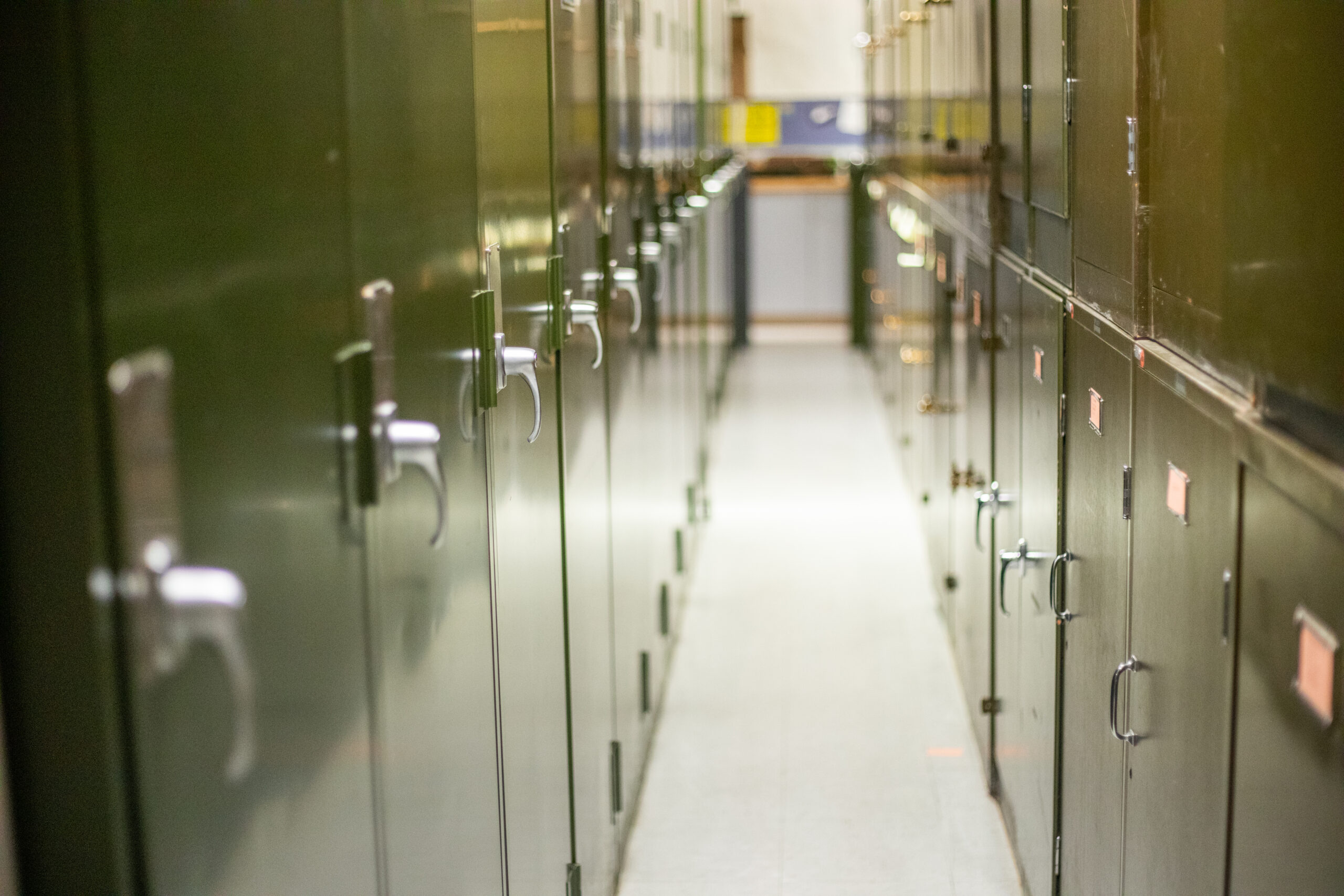
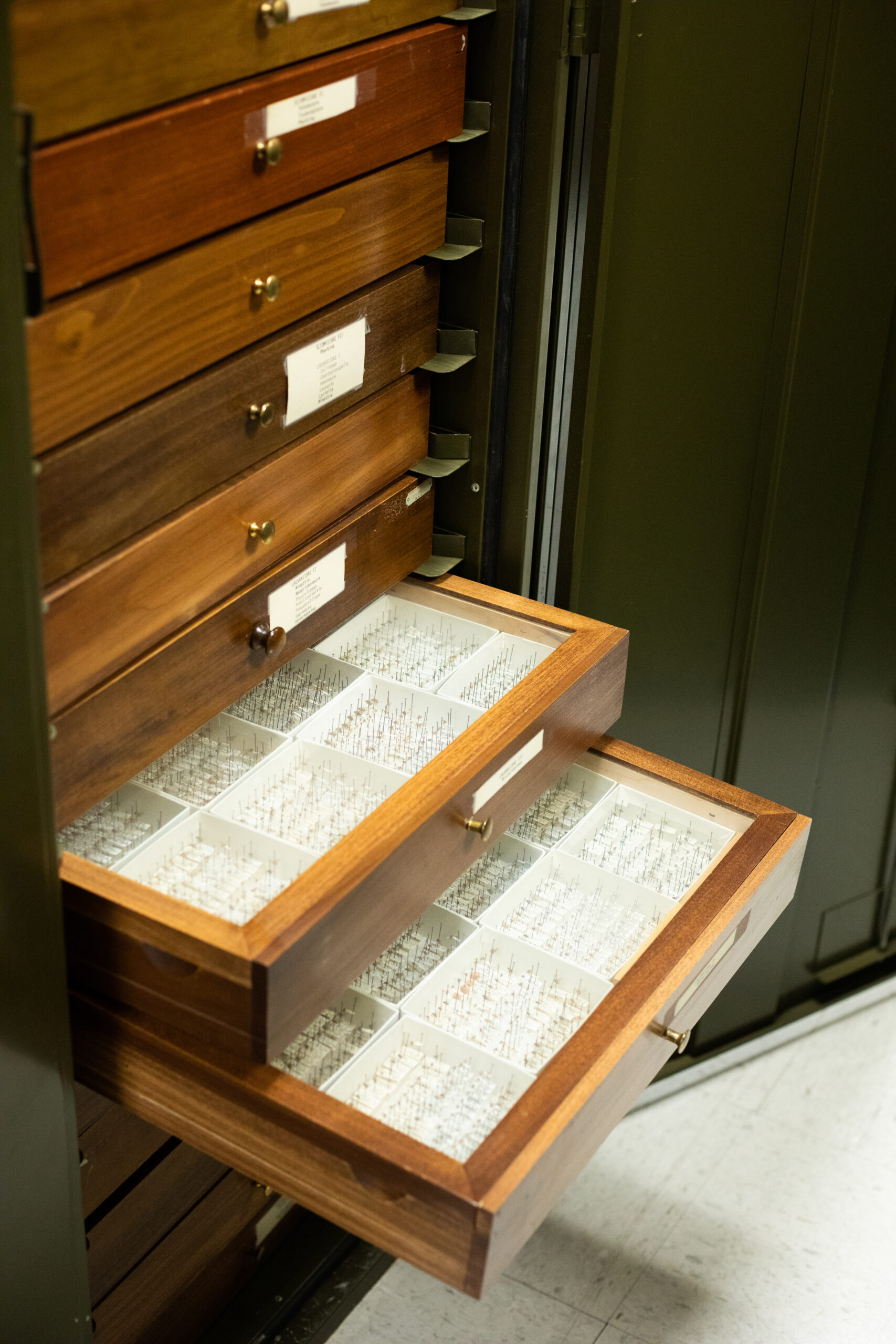
What is now called the M.T. James Entomological Collection at WSU is one of the larger university insect collections in the country. The collection is housed on the first floor of the Food Science and Human Nutrition (FSHN) building in the Department of Entomology on the main Pullman campus. It is representative in all major insect orders and contains over 3 million curated specimens. It is one of the few collections that can provide specimens from the Pacific Northwest, and it serves as an important regional and national resource. It also has extensive and diverse holdings from Guatemala.
The insect collection holdings are growing and field collecting and acquisition efforts are ongoing. Since 2000, the WSUC has obtained large donations, including private collections totaling tens of thousands of specimens, the Walla Walla College collection (>85,000 specimens), donations of moths by regional authorities (>18,000), and more. Under the auspices of the US Department of Energy and The Nature Conservancy, in the past decades museum personnel conducted diversity studies of the Hanford Nuclear Site (>94,000 specimens), native Palouse Prairie (>15,000) – all providing information on species richness, diversity, and distribution of many of our native insect taxa.
Personnel with the Entomological Collection
Dr. Elizabeth Murray is the Director of the museum. She joined the WSU as an Assistant Professor in 2020. Elizabeth works on various groups of wasps and bees, with a soft spot for parasitoids & pollen wasps.
e.murray@wsu.edu
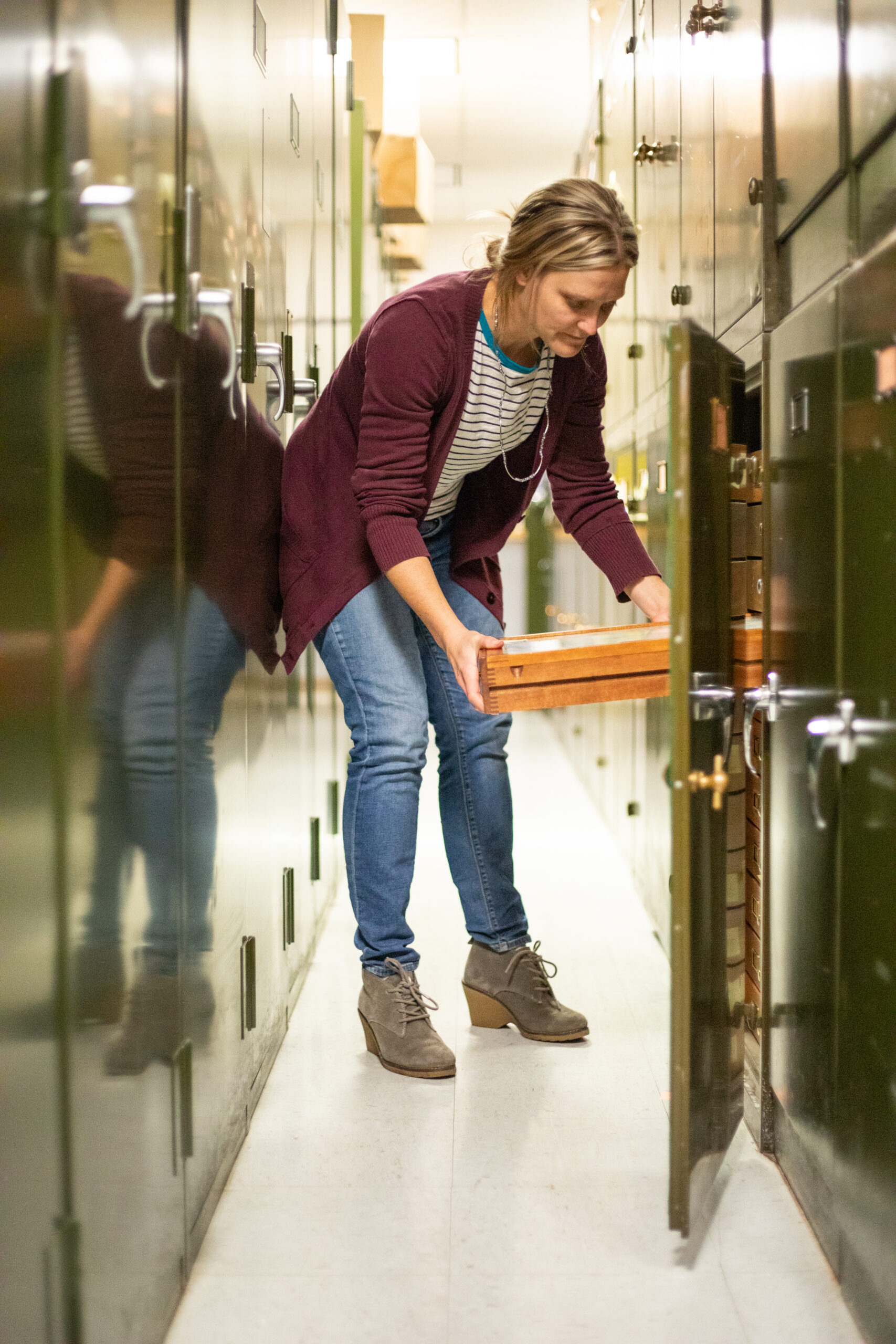
Dr. Rich Zack is a longtime Curator and is responsible for our skyrocketing growth, contributing tens of thousands of pinned and sorted specimens each year. Rich has deep expertise on the biodiversity of the state of Washington (and beyond!).
zack@wsu.edu
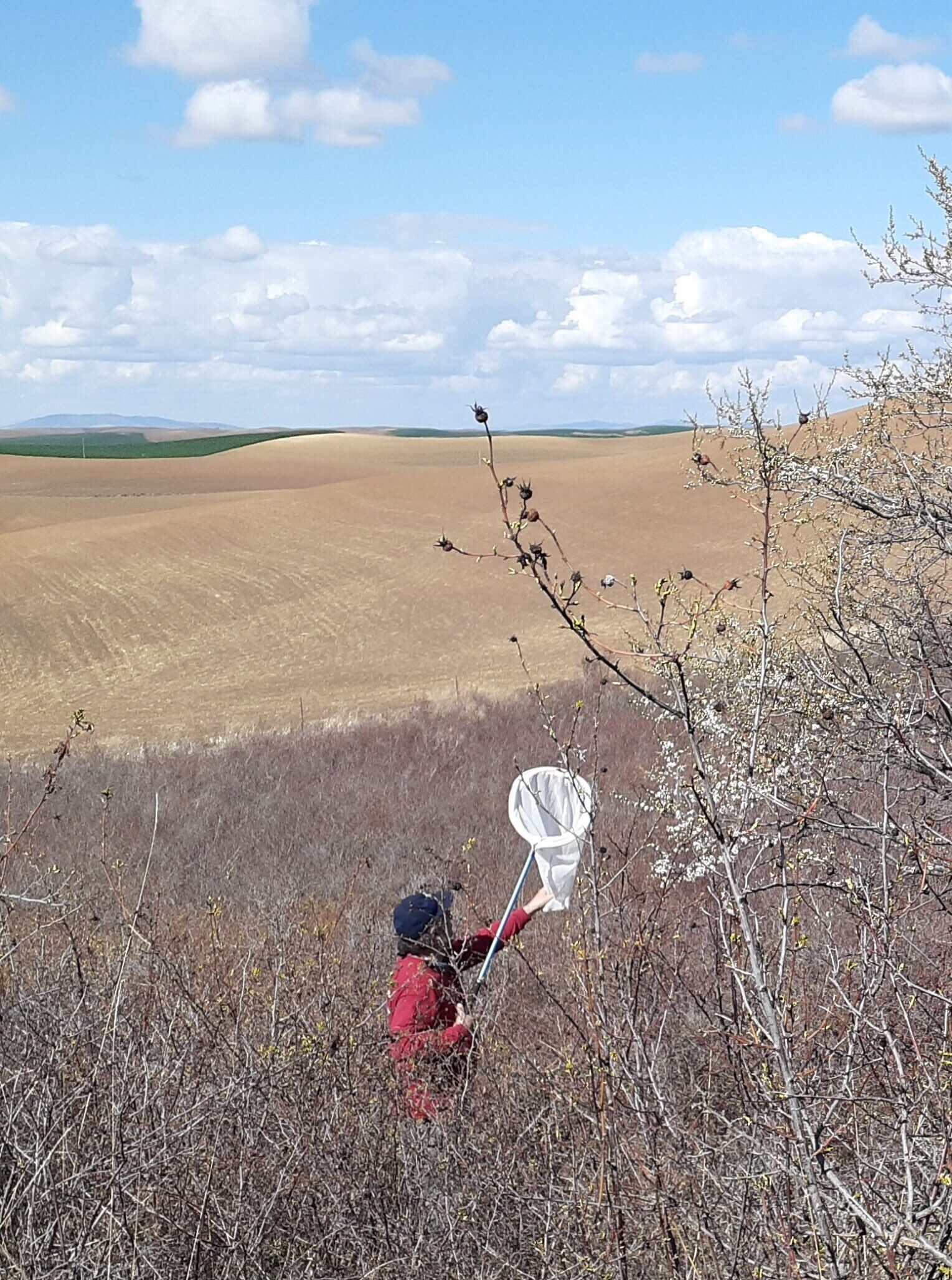
Dr. Silas Bossert is a museum Curator who has been at WSU since 2020. Silas’s research expertise covers all bees — go ahead, ask him to identify any of the 500+ genera by sight!
silas.bossert@wsu.edu
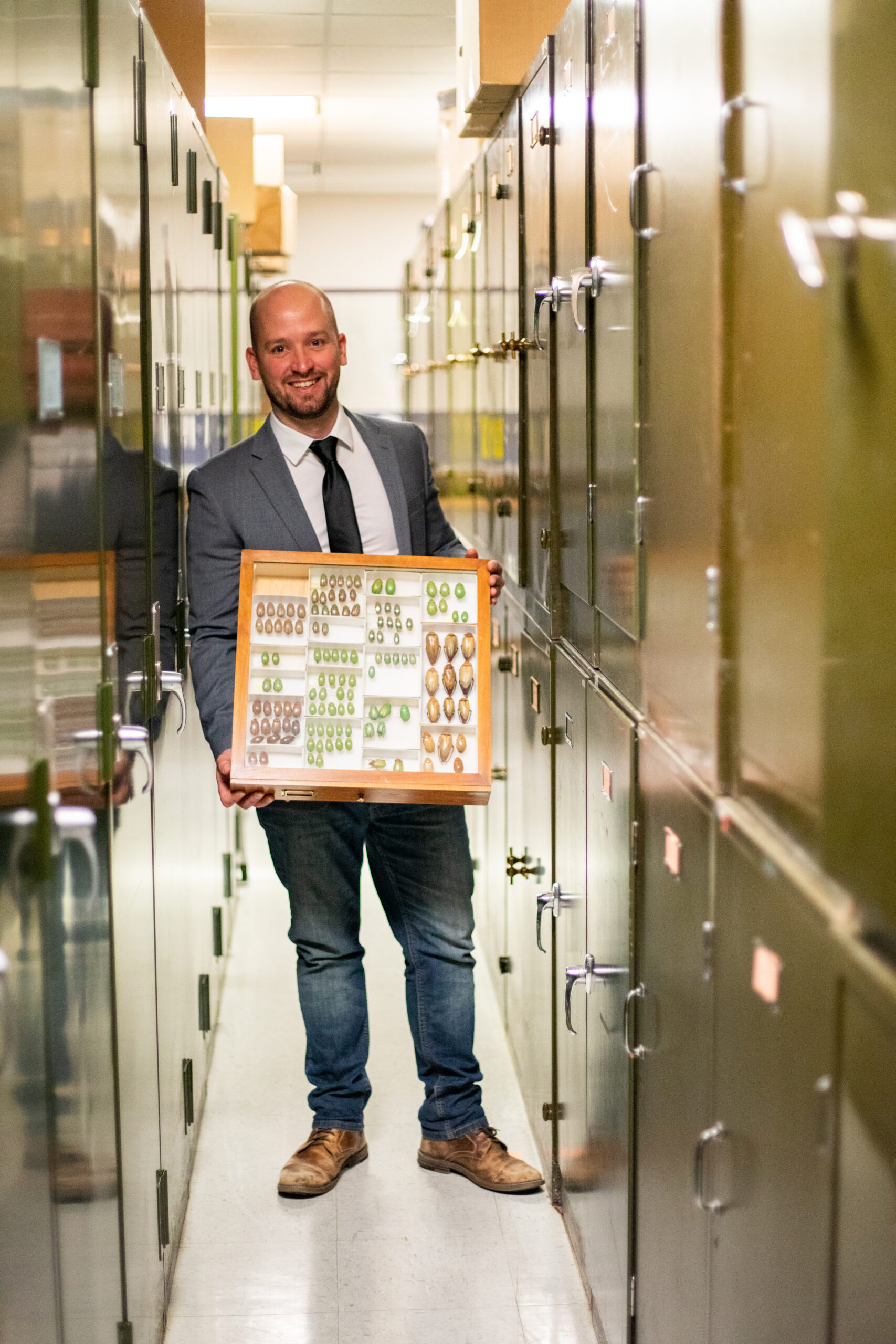
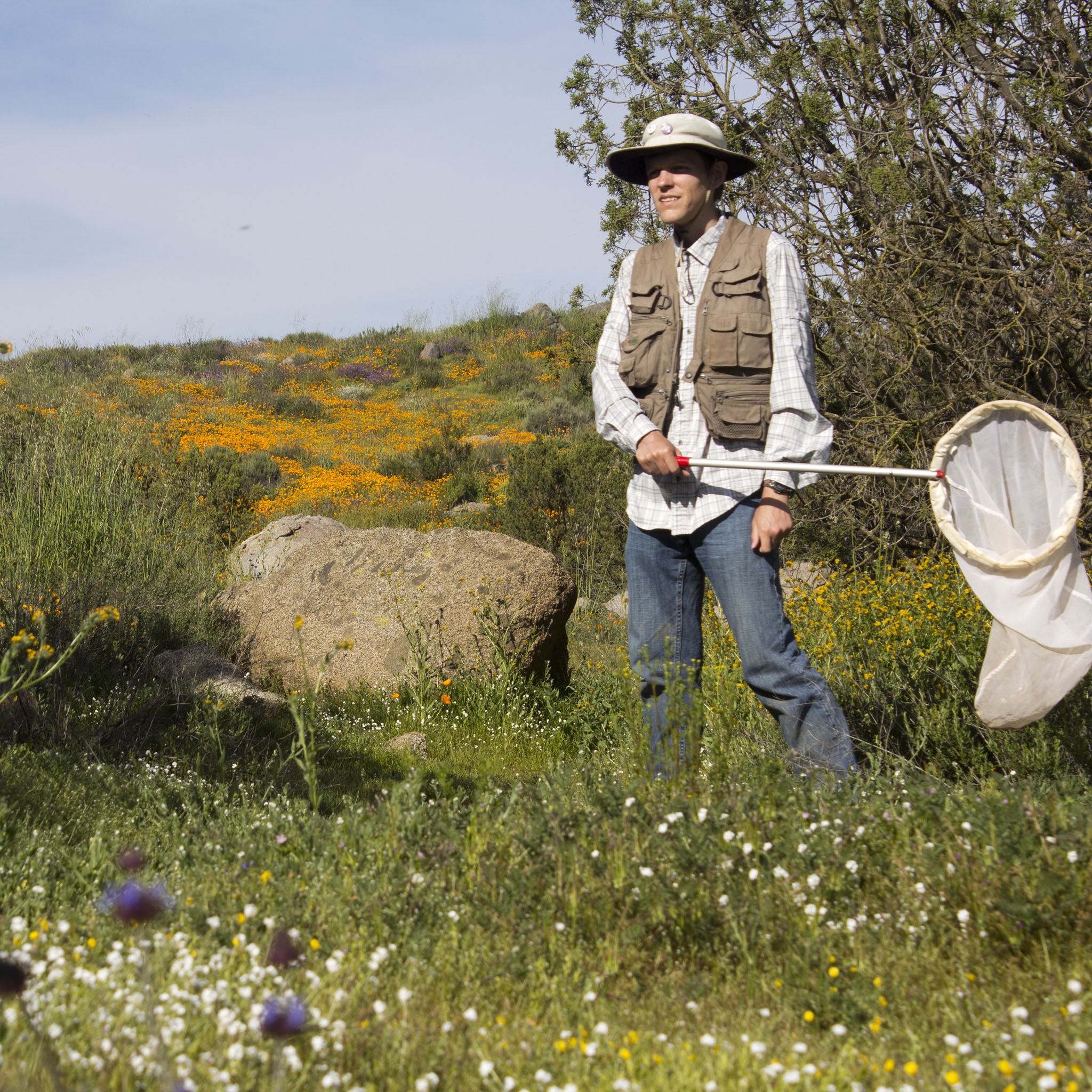
Dr. Joel Gardner started with the collection in November 2022 and had made amazing curatorial strides. Joel looks forward to exploring the understudied insect taxa in regions around Pullman and leading museum outreach. Come visit him in the collection if you need bees identified or to check on the progress!
joel.gardner@wsu.edu
email any of us individually, or reach us at:
cahnrs.ento.museum
@wsu.edu
In the summer of 2025, the Collection has three undergraduate workers and one hourly worker – they complete various tasks, including a good amount of databasing. We also have two graduate students digitizing the Calliphoridae (and associated families) – so look for those data to be publicly available on ecdysis.org this fall!
Also coming late summer – our Lycaenidae data. The Washington Department of Fish and Wildlife provided funding to help assemble data on species of greatest conservation need in the state. We had graduate students digitizing and georeferencing many thousands of specimens and invited butterfly expert Jonathan Pelham to provide species determinations for our unsorted material.
We were able to hire our collections manager due to endowment funds. The operations of the museum would not be possible without support from our donors.
Thank you to our generous benefactors!
Terry and Faye Whitworth
Marilyn and James Hyde
Maurice T. and Helen James
Roger D. Akre and Carl A. Johansen
Jim Hansen
OneEnergy Renewables
general museum email: cahnrs.ento.museum@wsu.edu